Berrylands removals guide Surbiton High Street access rules
If you are planning a move in Berrylands and need to understand Surbiton High Street access rules, you are already doing the smart thing. The difference between a smooth move and a stressful one is often down to very small details: where the van can stop, how long loading might take, whether the route is narrow, and who needs to be told in advance. This guide to Berrylands removals guide Surbiton High Street access rules brings those practical pieces together in plain English, so you can plan properly and avoid the sort of last-minute scramble that makes moving day feel twice as long.
Truth be told, most moving problems are not dramatic. They are ordinary things: a blocked entrance, a lift that is smaller than expected, a missed time window, or a parking space that vanishes just when you need it. The good news? Those issues are manageable when you know what to look for. Below, you will find a step-by-step explanation of access planning, common pitfalls, safety and compliance basics, and a realistic checklist for local moves around Surbiton High Street and the wider Berrylands area.
Why Berrylands removals guide Surbiton High Street access rules Matters
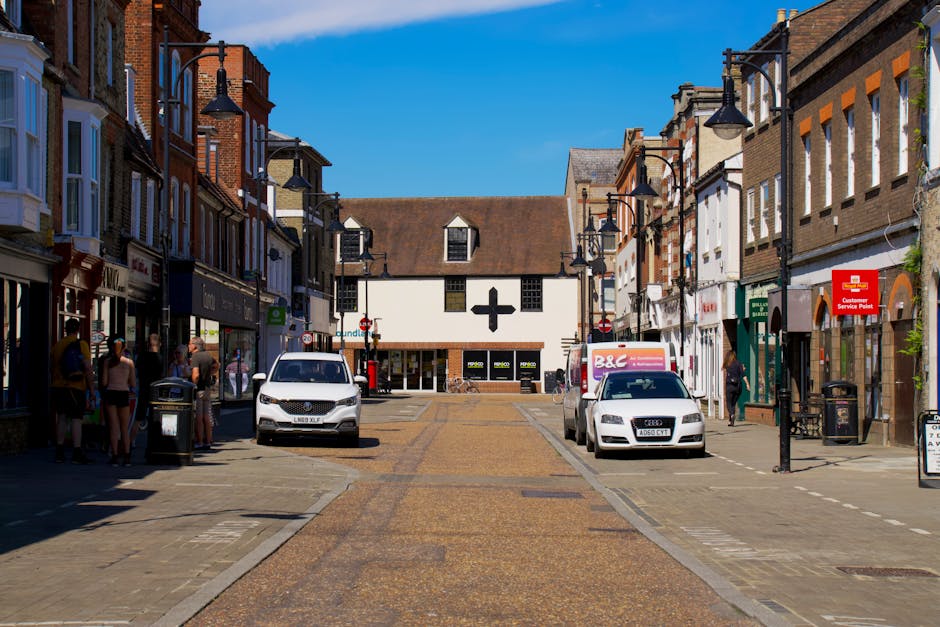
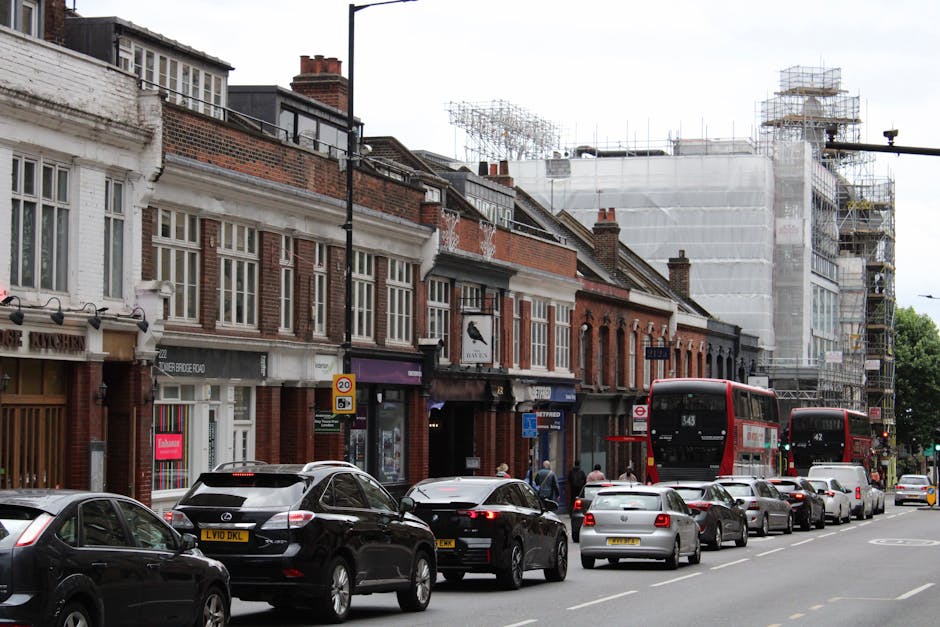
Access rules matter because removals are physical, time-sensitive, and often happening in busy streets. Surbiton High Street is exactly the kind of location where a small planning mistake can snowball. If a van cannot stop safely, your team may have to carry furniture further than expected. If loading has to happen at the wrong time, traffic can hold everything up. If you are moving from a flat above a shop, there may be stairs, shared entrances, delivery restrictions, or a short loading bay to work around.
For local customers in Berrylands, the practical question is rarely, "Can we move?" It is, "How do we move without making the street, the neighbours, or the schedule hate us?" That is the real job of access planning. It protects your belongings, reduces delay, and helps the move feel controlled instead of chaotic.
It also helps avoid unnecessary cost. A van that needs to wait, circle the block, or make extra trips can make a straightforward move much harder to price accurately. In our experience, the best moves are the boring ones: clear, timed, predictable. A little dull, maybe, but wonderfully effective.
Expert summary: good access planning is not about being cautious for the sake of it; it is about reducing friction. The less friction around parking, loading, building entry and timing, the easier your move will be.
How Berrylands removals guide Surbiton High Street access rules Works
Most local removals near a high street follow the same basic logic. First, you assess the property and the route. Then you confirm whether the van can stop close enough for safe loading. After that, you work out how long the team will need to carry items, whether there are stairs or lifts, and whether any special permissions or notices are needed.
In practical terms, the process usually looks like this:
- Review the property type. A ground-floor house is very different from a top-floor flat or a mixed-use building above a shop.
- Check vehicle access. Can a removals van reach the entrance without blocking traffic, cyclists, or residents?
- Plan the loading point. Some streets allow short stops; others need more careful timing or a designated bay.
- Allow for carrying distance. If the van cannot park directly outside, the crew needs extra time and more handling care.
- Confirm building access. Shared doors, intercoms, fob systems, narrow hallways and lift sizes all matter.
- Prepare the load order. What goes first? What needs to stay accessible? What should not be buried at the back of the van?
That may sound obvious, but it is easy to underestimate how much these details affect the day. A move can look simple on paper and still become a logistical puzzle when a road is busy or an entrance is awkward. That is why local experience counts.
If you are moving a whole property, it can help to pair access planning with a broader service like house removals, especially where multiple rooms, bulky furniture or family schedules are involved. If you only have a few items, a lighter option such as small removals may be more efficient. And for flats, lifts, stairwells and building rules often make flat removals the better fit.
Key Benefits and Practical Advantages
When access is handled properly, the benefits are immediate and very real.
- Less wasted time. The crew can get straight to work instead of problem-solving on the pavement.
- Lower risk of damage. Fewer awkward turns, fewer long carries, fewer chances for bumps and scrapes.
- Better value for money. Efficient loading usually means a more predictable job and fewer hidden delays.
- Less stress for you. You are not left wondering if the van can even stop where you expected.
- Better neighbour relations. A tidy, respectful move is far less likely to annoy people who live or work nearby.
There is also a quieter benefit that people often miss: confidence. When you know the access has been thought through, the whole day feels calmer. You pack differently, you label better, and you make fewer panicked decisions at 7:30 in the morning with a kettle half-boiled and boxes everywhere. Been there, seen that, no need to repeat the experience.
For some moves, the right answer is not just removals but removals plus storage. If you need to stage belongings, clear a property in phases, or reduce the amount to carry on the day, removals and storage can make access management much easier. The same goes for short-term storage when timing gaps appear between moving out and moving in.
Who This Is For and When It Makes Sense
This guide is for anyone moving in or around Berrylands who needs to deal with Surbiton High Street access conditions. That could be a family home, a rental flat, a retirement downsizing move, or a business relocation with stock, documents or office furniture.
It makes particular sense if any of the following apply:
- You are moving from a flat above street level.
- Your property sits on a road with limited stopping space.
- You expect pedestrian traffic, delivery traffic or school-run traffic to affect the timing.
- You need to move bulky items such as sofas, wardrobes, desks or appliances.
- You have to coordinate with landlords, building managers or neighbours.
- You want to reduce carrying distance and keep the move efficient.
Businesses and offices also need access planning, though the pressures are a bit different. There may be file cabinets, IT equipment or fixtures to move, plus tighter windows for access. For that kind of job, office removals or business storage can make the process more manageable. If the move involves equipment that should stay secure between sites, secure storage is worth considering too.
Students and renters often benefit from simpler support. If you are moving between term dates or doing a quick flat handover, student storage and self storage can take some pressure off the move. Not glamorous, but very useful.
Step-by-Step Guidance
Here is a practical way to handle access planning without overcomplicating it.
1. Walk the route from door to van
Do not just look at the front entrance. Walk the actual route your items will take. Check for steps, door widths, tight corners, low ceilings, awkward paving stones, and anything that might slow the team down. If you have a wardrobe that barely fit in the room, it will probably be interesting on the staircase too.
2. Measure the awkward items
Large sofas, beds, white goods and tall bookcases deserve special attention. Measurements help you decide whether an item will fit through a doorway, fit in a lift, or need disassembly. If you are unsure, the safe option is to assume it needs more space than you think.
3. Check whether the van can stop close enough
The closer the van can get to the property, the smoother the move. On a busy high street, that may depend on time of day, nearby shops, loading restrictions or general traffic flow. Do not rely on memory from a quick drive-by last month. Streets change with the hour.
4. Decide what needs to be ready first
Make a simple loading order. Essentials first? Usually no. The reverse is better: heavy and awkward items first, fragile items later, and essentials kept accessible for last-minute use. A good removal team can adapt, but a clear plan keeps the day from becoming box roulette.
5. Confirm any building or neighbour rules
If you are in a managed block or mixed-use building, ask about access times, lift reservations, intercom codes, service entrances, and any notice required for loading. It is much easier to sort these things before moving day than to stand outside hoping someone answers the buzzer. That bit, frankly, is never fun.
6. Build a buffer into the schedule
A little extra time is not a sign of poor planning. It is sensible. Traffic, weather, and human beings being human can all cause delays. Even a calm ten-minute buffer can stop the whole day feeling rushed.
Expert Tips for Better Results
These are the small, practical improvements that make a real difference.
- Use colour-coded labels. Rooms become easier to identify at a glance. Faster unloading, fewer "where does this go?" conversations.
- Take photos of access points. A quick picture of the entrance, staircase or parking area can be more helpful than a long description.
- Clear the path the night before. Shoes, plant pots, bike locks, bin bags and random clutter all slow the carry.
- Keep screws and fittings together. One small sealed bag per item is boring but brilliant.
- Think about weather. Wet steps and muddy pavements can make a move slower and a bit more hazardous. A towel at the entrance helps more than people expect.
One slightly old-fashioned but useful tip: speak to the removals team early and honestly. If the street is tight, say so. If the lift is tiny, say so. If you are on a corner and deliveries usually block access around lunchtime, say that too. Nobody benefits from pretending the road is wider than it is.
For delicate or high-value items, it can also be worth pairing the move with packing services. Proper packing reduces damage risk and makes carrying more controlled. And if furniture is staying out of the way for a while, furniture storage is often a sensible bridge between properties.
Common Mistakes to Avoid
Here are the errors that cause the most avoidable pain.
- Assuming parking will be easy. It often is not, especially on a busy route near shops and services.
- Forgetting to check building access. Shared entrances, lifts and intercoms can become bottlenecks.
- Leaving decisions until the morning of the move. That is how stress multiplies.
- Not factoring in carrying distance. Fifty extra metres does not sound like much until you are doing it ten times.
- Underestimating the number of boxes. Nearly everyone does this once. Usually the first time.
- Ignoring the unloading side. Getting the van out is only half the job; the destination needs just as much thought.
The biggest mistake is probably the simplest one: relying on assumptions. A move can feel familiar if you have done one before, but every property, street, and access point behaves differently. A careful ten-minute review is worth far more than a hopeful shrug.
Tools, Resources and Recommendations
You do not need specialist kit to plan access well, but a few basic tools help a lot.
- Measuring tape: for doorways, hallways, furniture and lift dimensions.
- Phone camera: for recording loading points, parking areas and stair layouts.
- Simple checklist: to keep building access, parking and packing steps in order.
- Labels and marker pens: essential for room-by-room organisation.
- Sturdy gloves and footwear: helpful for safety when carrying heavy items.
On the service side, it is worth choosing the right moving setup for the job. Man and van works well for lighter loads, short hops and flexible jobs. Local removals are better for full home moves where timing and access both matter. If your move is small but slightly fiddly, small removals can be the sweet spot.
For people who need the moving day to be less all-or-nothing, mobile self storage is worth a look because it can reduce how much you must move in one go. That is especially useful when access is tight and you want to avoid a pile-up at the kerb. And yes, sometimes the smartest move is to move less stuff first.
Law, Compliance, Standards and Best Practice
This topic sits in a practical space rather than a heavily regulated one, but there are still standards and duties worth respecting. If a van is stopping on a public road, loading must be done safely and with due regard for other road users. If a building has its own rules, those should be followed too. Common-sense compliance matters here just as much as formal rules.
Best practice usually includes the following:
- Do not block access routes, footways or emergency access points.
- Keep loading areas tidy and free from loose items that could trip someone.
- Use safe lifting practices and proper handling for heavy or awkward items.
- Respect building management requirements and neighbour arrangements.
- Be clear about insurance and responsibility before the move begins.
It also helps to choose a removals provider that is clear about health and safety and insurance and safety. Those pages do not make the moving day magically easy, but they do show that the business takes risk, handling, and customer protection seriously. For some customers, that reassurance matters more than any sales pitch ever could.
Financial and privacy-related processes can matter too, especially if you are paying deposits or sharing personal details. If you want to understand how a company handles those areas, payment and security, privacy policy and terms and conditions are useful references. No drama, just sensible due diligence.
Options, Methods, or Comparison Table
Different moving setups suit different access situations. Here is a simple comparison to help you choose.
| Option | Best for | Access considerations | Typical strength |
|---|---|---|---|
| Man and van | Smaller loads, flexible timing, lighter moves | Works well if stopping space is limited but manageable | Quick, practical, cost-conscious |
| Small removals | A few larger items or a compact flat move | Useful where access is straightforward but not generous | Efficient without overbooking the vehicle |
| House removals | Full property moves with more furniture and boxes | Needs the most careful planning around parking and carry distance | Best for structured, all-day relocations |
| Removals and storage | Staged moves, renovation gaps, timing issues | Reduces pressure if access or handover timing is awkward | Flexible and less rushed |
The right choice depends on what you are moving and how awkward the site is. A smaller service is not "lesser"; it is often just the smarter fit. Moving day does not reward overcomplication, sadly.
Case Study or Real-World Example
Imagine a couple moving from a top-floor flat near Surbiton High Street into a terraced house in Berrylands. The flat has a narrow stairwell, the street outside gets busy from late morning, and the new property has on-street parking that fills quickly. Nothing unusual, but enough to make the move delicate.
Instead of turning up and hoping for the best, they do three things. First, they photograph both entrances and the stairwell. Second, they separate the heaviest furniture from the rest of the boxes. Third, they plan the loading for early in the day so the van can stop more easily and the carry distance stays short. They also set aside a small essentials bag with keys, kettle bits, chargers, and documents.
The outcome is not dramatic, which is the point. The move runs steadily. The team knows which items need careful handling. The couple does not have to answer the same question five times. And because the access plan was realistic, nobody spends the afternoon improvising around a doorway with a sofa that "should fit, probably".
That is what good planning buys you: a quieter day. And on moving day, quiet is underrated.
Practical Checklist
Use this checklist the day before your move. Keep it simple and honest.
- Confirm the full moving time and arrival window.
- Check whether the van can stop close to both properties.
- Measure large furniture, doors, stairs and lifts.
- Ask about building access, keys, codes and loading rules.
- Label boxes by room and priority.
- Pack an essentials bag for the first 24 hours.
- Protect floors, doorframes and fragile items where needed.
- Keep important paperwork and valuables separate.
- Make sure pathways are clear indoors and outside.
- Have a backup plan if parking is unexpectedly limited.
If the move still feels too packed, consider spreading the pressure. Household storage can free up space before moving day, while long-term storage suits bigger transitions or delayed completions. For people handling work documents or archives, document storage is the cleaner solution. A bit of breathing room can make all the difference.
Get a free quote today and see how much you can save.
Conclusion
Berrylands removals guide Surbiton High Street access rules is really about one thing: making the move work in the real world, not just on paper. Once you think through stopping space, loading distance, building access, timing, and the type of service you actually need, the job becomes much more manageable.
You do not need perfect conditions. You just need a sensible plan, a little flexibility, and the willingness to check the details before they turn into delays. That alone puts you ahead of many moving-day headaches.
So take the time to measure, confirm, label, and plan. It is unglamorous work, yes, but it pays back quickly. And when the last box comes in, the kettle goes on, and the place finally starts to feel like yours, that quiet relief is worth it.
Frequently Asked Questions
What are Surbiton High Street access rules in a removals context?
In practical terms, they are the local parking, stopping, building-entry and timing considerations that affect how a removals van can load or unload near the high street. The exact conditions vary by property and time of day, so it is best to treat access as a planning issue rather than an assumption.
Do I need to book parking or a loading bay in advance?
Sometimes yes, sometimes no. It depends on the property, road layout and any building or local restrictions. The safe approach is to ask early and confirm whether a short-stay loading space, permit or timed stop is needed.
How early should I arrange a local removals survey?
The earlier the better, especially if the move involves flats, busy roads or bulky furniture. Even a quick pre-move check can reveal access issues that are easy to solve in advance and awkward on the day.
What if my van cannot park right outside the property?
That is common enough. The team may need to carry items a little further or use a different loading point. The main thing is to factor in the extra time and handling effort so the schedule stays realistic.
Are flat moves harder than house moves?
Not always, but they often involve more access variables such as stairs, lifts, shared entrances and building rules. A flat can be easy if access is good; a house can still be awkward if the road is tight. It really depends.
What should I tell the removals company before moving day?
Tell them about parking, staircases, lifts, entry codes, awkward furniture, storage needs, and anything that could slow the load. The more accurate the information, the easier it is to plan the right vehicle, crew and timing.
How do I move heavy items safely on a narrow street?
Use proper handling techniques, protect the item and the property, and keep the route clear. If an item is especially awkward, it may be better to disassemble it or arrange professional help rather than forcing it through a tight gap. That kind of shortcut usually backfires.
Is storage useful if access on moving day is difficult?
Yes. Storage can reduce the number of items moved at once, make staging easier, and help if your move-out and move-in dates do not line up. Many people find that a small amount of storage takes a huge amount of pressure off.
What is the difference between man and van and full removals?
A man and van service usually suits smaller, lighter or more flexible jobs. Full removals are better for larger home moves, more furniture, and situations where planning and carrying time matter more. Choosing the right one is mostly about scale and access.
How can I reduce delays on a busy moving day?
Prepare boxes in advance, clear access paths, confirm building entry details, and build a buffer into the schedule. A few simple steps will often save more time than people expect. It is not fancy, but it works.
Should I use packing services if access is tight?
It can help. Professional packing tends to make items easier to stack, carry and protect, which is useful when the route is narrow or the move is time-sensitive. If you are juggling stairs, parking and fragile items at the same time, anything that reduces friction is worth considering.
What is the best next step if I am still unsure about access?
Gather a few photos, measure the main obstacles, and speak to a removals provider about the route and timing. Once the basics are clear, you can decide whether you need removals, storage, packing support or a simpler vehicle setup. Small clarifications now can save a lot of hassle later.