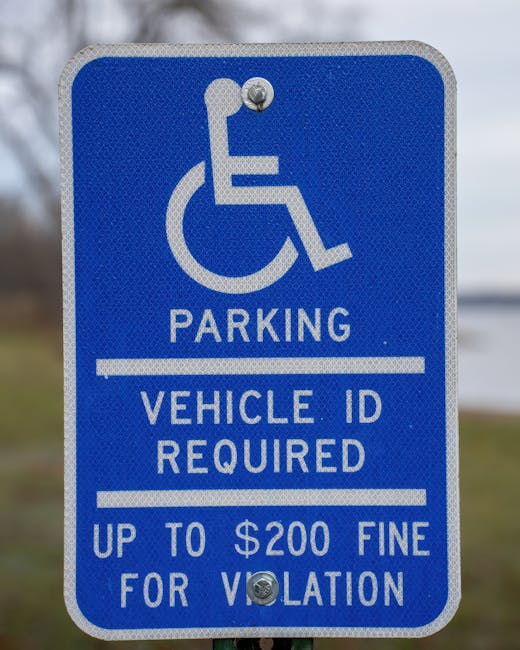
Kingston Council Fines for Removals Parking in Berrylands
If you are moving house or handling a delivery in Berrylands, the last thing you want is a parking ticket landing on the mat before the kettle is even unpacked. Yet that is exactly what can happen when a removals van stops in the wrong place, for too long, or without the right parking arrangement. This guide explains Kingston Council fines for removals parking in Berrylands in plain English, so you can reduce the risk, plan properly, and keep your move as calm as possible.
The reality is simple: moving day is already busy enough. One awkward loading bay, one misunderstood restriction, or one overlooked sign can turn a smooth move into a stressful one. Let's make it clearer, and a lot less painful.
Table of Contents
- Why Kingston Council Fines for Removals Parking in Berrylands Matters
- How Kingston Council Fines for Removals Parking in Berrylands Works
- Key Benefits and Practical Advantages
- Who This Is For and When It Makes Sense
- Step-by-Step Guidance
- Expert Tips for Better Results
- Common Mistakes to Avoid
- Tools, Resources and Recommendations
- Law, Compliance, Standards, or Best Practice
- Options, Methods, or Comparison Table
- Case Study or Real-World Example
- Practical Checklist
- Conclusion
- Frequently Asked Questions
Why Kingston Council Fines for Removals Parking in Berrylands Matters
Parking in Berrylands can be straightforward on a quiet morning and frustrating by lunchtime. That mix of residential streets, school runs, narrow roads, and local traffic means removals vehicles often need extra planning. A fine is not just an annoying admin issue. It can delay the move, add pressure on the crew, and create avoidable costs for the customer.
For many people, the first sign of trouble is very mundane: the van arrives, there is nowhere obvious to stop, and the driver has to make a split-second decision. Park too far away and the job takes longer. Park in a restricted area and you may be looking at a penalty charge notice. Not ideal, to put it mildly.
This matters because a removals day has a domino effect. A delay at one address can push back lift access, packing schedules, keys being collected, or the handover at the other end. And if you are moving from a flat or handling a tight slot, you really feel the clock ticking.
Berrylands residents also tend to be dealing with real-life constraints: terraced streets, shared access, driveways that are just not wide enough for a large van, and the usual London pressure on kerb space. So the parking question is not a side issue. It is part of the moving plan.
Expert summary: the cheapest parking decision is usually the one made before moving day, not the one made in a rush while the van is idling at the kerb.
How Kingston Council Fines for Removals Parking in Berrylands Works
In practical terms, parking fines during removals usually arise when a vehicle stops where restrictions apply. That might mean a yellow line, a loading restriction, a permit-only street, a bay with time limits, or an area that simply does not allow the van to wait long enough for loading. The key point is that a removals vehicle is not automatically exempt.
Sometimes people assume a van unloading furniture gets special treatment. In reality, the rules depend on the exact location, the signage, the time, and whether any loading activity is permitted. Even then, loading and unloading need to be genuine, continuous, and reasonable. If the crew disappears for a long coffee, for example, that is unlikely to help. Slightly obvious, but worth saying.
There are also practical differences between short stops and longer loading windows. A small item collection might be okay in a place where a full house move would not be. Likewise, a vehicle can sometimes stop for active loading, but only where local rules allow it and where the vehicle is not creating an obstruction or blocking access.
In Berrylands, the risk tends to increase when:
- the van is larger than expected
- the street is busier than the customer assumed
- parking spaces disappear early in the day
- the move runs later than planned
- the team has not checked local restrictions in advance
If you want the simplest rule of thumb, it is this: do not assume there will be "just enough space" on the day. That phrase causes more trouble than it should.
Key Benefits and Practical Advantages
Planning around removals parking restrictions might feel like extra admin, but it pays off quickly. The obvious benefit is avoiding fines, yet there is more to it than that. Good parking preparation protects time, money, and sanity. Which, during a move, is basically gold.
Here are the main advantages:
- Lower risk of penalties: fewer fines mean fewer surprise costs.
- Faster loading and unloading: the van can park closer to the property, reducing carrying distance.
- Less stress on moving day: the crew can focus on the job instead of hunting for a legal stopping point.
- Better protection for furniture: shorter carrying routes reduce bumps, scrapes, and wet-weather mishaps.
- Improved timing: everything is easier when the vehicle position is planned rather than improvised.
There is also a subtle benefit people miss: better communication between customer and removals team. Once parking is discussed early, the move tends to feel more organised overall. That often means fewer last-minute surprises, and honestly, that is half the battle.
If storage is part of the move, using a service like removals and storage can make the whole process easier by reducing the pressure to complete everything in one frantic day. For shorter gaps, short-term storage can be a practical bridge between addresses.
Who This Is For and When It Makes Sense
This topic is relevant for anyone moving items in Berrylands, but it matters most in a few common situations. If any of these sound familiar, it is worth planning parking early rather than leaving it to chance.
- Home movers: families, couples, and solo movers handling a full property move.
- Flat movers: anyone dealing with limited access, stairs, shared entrances, or awkward loading zones.
- Small move customers: people moving a few items who still need a van to stop legally and safely.
- Older or larger households: where the removals vehicle may need longer loading time.
- Business clients: offices, document moves, or stock transfers that need predictable access.
It also makes sense if you are coordinating helpers, friends, or family members. The more people involved, the easier it is for one person to assume someone else has checked the parking. Usually, nobody has. That's the honest version.
If your move includes heavy furniture or tricky access, it may be worth looking at house removals, flat removals, or a man and van service depending on the scale of the job.
Step-by-Step Guidance
Here is a practical way to reduce parking risk before moving day. You do not need to overcomplicate it, but you do need to think ahead. The best moves are boring in the planning phase. That is a compliment.
- Check the street layout. Look at where a removals van might actually stop, turn, and load without blocking traffic.
- Read the signs carefully. Do not rely on memory or guesswork. Pay attention to time limits, bay markings, and loading rules.
- Think about the vehicle size. A small van and a large Luton do not fit into the same parking plan.
- Work out the loading time. A quick collection and a full house move have very different parking needs.
- Allow for delays. Keys running late, lift queues, rain, narrow stairs, all of it. Something always takes longer than expected.
- Coordinate with the removals team. Tell them what parking is available, how far they may need to carry items, and whether access is shared.
- Have a backup plan. If the nearest legal space is full, know where the next option is before the van arrives.
For moves involving packing delays or staged transfers, pairing your move with packing services can also help keep timing under control. Less scrambling, fewer surprises.
A useful habit is to walk the route from the van to the front door before the move begins. It sounds small, but in practice it tells you a lot: kerbs, steps, low branches, narrow gates, wet paving, the lot.
Expert Tips for Better Results
After enough removals jobs, you start to notice the same patterns. The people who avoid parking trouble tend to do a few simple things well. Nothing fancy, just careful planning and calm communication.
Here are the tips that matter most:
- Choose the right vehicle size. A smaller van can sometimes save more time than a huge one if parking is tight.
- Plan around school-run hours. In Berrylands, timing can make a big difference to available kerb space.
- Keep loading efficient. Group items by room and priority so the crew is not wandering back and forth.
- Use storage to reduce pressure. If not everything is moving on the same day, split the load and breathe a bit easier.
- Protect fragile items early. The longer the move takes, the more handling items receive, so good packing pays off.
- Ask about access before booking. If the property is tricky, mention it early. It is much better to have that awkward conversation the day before than during the move.
If you are dealing with a tight move window or staged relocation, mobile self storage can be a surprisingly handy option because it reduces repeated loading stress. For more compact jobs, small removals may be enough.
One small but useful tip: keep a photo of the parking area and any signs on your phone before the move starts. That tiny bit of visual memory can help if there is any confusion later. Not glamorous, but it works.
Common Mistakes to Avoid
Parking fines during removals are often caused by the same handful of mistakes. Most of them are avoidable, which is the frustrating part. Still, better to learn them now than after a ticket appears under the wiper.
- Assuming loading is always allowed. It is not. Some bays are restricted, and some areas are stricter than people expect.
- Ignoring the exact time window. Five minutes can matter.
- Blocking dropped kerbs or driveways. Even a short obstruction can create problems.
- Underestimating how long the move will take. Especially with stairs, heavy furniture, or a long carry from the van.
- Leaving parking to the last minute. By then, the nearest legal space may be gone.
- Not telling the removals team about access issues. If they do not know, they cannot plan for it.
A particularly common one is the "we'll just stop here for a minute" approach. That minute has a habit of becoming the minute that costs money. Funny in hindsight, less funny on the day.
People also forget that a move can involve multiple stops. If you are moving items into storage first, or splitting furniture between homes, each stop needs its own parking thought process. That is where services like self storage and household storage can help reduce same-day pressure.
Tools, Resources and Recommendations
You do not need a toolkit the size of a builder's van, but a few simple things can make parking planning much easier. Most are basic, but basic is good when you are trying to avoid a fine.
| Tool or resource | Why it helps | Best used for |
|---|---|---|
| Street photos and notes | Helps you remember where the van can stop and what signs were present | Pre-move planning |
| Move-day timeline | Shows when loading, travel, and handover are meant to happen | Keeping the schedule realistic |
| Vehicle access checklist | Reminds you about height, width, turning, and loading distance | Choosing the right van |
| Storage backup option | Reduces pressure if parking or access becomes awkward | Staged or delayed moves |
| Packing labels | Makes loading quicker and cuts time spent on the road | Faster removals |
For people moving business items, business storage and office removals can be especially helpful where access needs to be carefully timed. Document-heavy moves can also benefit from document storage if the handover is staggered.
If you are still comparing options, take a look at the provider's pricing and quotes approach so you know what is included. And it never hurts to review insurance and safety details before the boxes start moving.
Law, Compliance, Standards, or Best Practice
Parking and loading around removals is one of those areas where best practice matters just as much as the formal rules. The exact parking restrictions in Berrylands depend on the street and the signage on the day, so it is wise to treat every location as a fresh case rather than assuming a one-size-fits-all answer.
In UK moving practice, the safest approach is to:
- read the local signs carefully
- avoid blocking access or causing an obstruction
- keep loading genuine and continuous where permitted
- plan for the size and weight of the vehicle
- make sure the mover and customer both understand the access plan
If you are using professional removers, ask how they handle access checks and what they do if parking is not available as expected. A good team will not shrug and hope for the best. They will adjust the plan, use sensible judgment, and keep you informed.
It is also worth checking the booking terms you have agreed. A reliable removals provider should explain responsibility clearly, including who is arranging parking, what happens if the access is restricted, and how delays are handled. For that reason, terms and conditions are not just legal filler; they are part of the moving plan.
Best practice is simple: plan early, confirm the access, and keep the day flexible enough to cope with reality. Because reality, let's face it, likes to improvise.
Options, Methods, or Comparison Table
Not every Berrylands move needs the same parking solution. Some are quick and tidy. Others need a more careful setup. Here is a simple comparison of the common approaches.
| Approach | Best for | Pros | Watch-outs |
|---|---|---|---|
| Street parking near the property | Short, straightforward moves | Fast loading and unloading | High risk if restrictions apply or spaces are scarce |
| Timed loading stop | Moves with brief access windows | Efficient if everything runs to plan | Less room for delays |
| Smaller van | Tight residential streets | Easier to place legally | May require more trips |
| Split move with storage | Large or staged relocations | Reduces same-day pressure | Requires extra coordination |
| Professional removals planning | Busy or complex moves | More practical route and access management | Needs clear communication before the job |
The "best" option is not always the one with the biggest van or the quickest promise. Often it is the one that fits the street, the schedule, and the number of people who are actually carrying the sofa down the stairs. That sounds simple because it is.
Case Study or Real-World Example
Imagine a typical Berrylands house move on a Thursday morning. The family has a two-bedroom property, a few bulky items, and a narrow street with limited parking. The first instinct is to park as close as possible to save time. Fair enough. But after checking the access, the removals team notices that the nearest space is too tight for the van to stay legally without risking a restriction.
Instead of forcing it, they choose a slightly longer but safer stopping point, start with the heaviest items first, and keep the loading route clear. It takes a bit more walking, yes. But the move stays organised, there is no ticket on the windscreen, and the day remains manageable. Not perfect, but solid. That is what most people actually need.
Now compare that with a rushed version of the same move. The van pulls up near a junction, someone jumps out, another person starts carrying boxes before checking the sign, and the crew assumes they will be gone in ten minutes. Then a delay happens: the key handover slips by half an hour, traffic builds, and the van is still there when it should not be. That is how small mistakes become expensive ones.
This is why practical planning beats hopeful thinking every time.
Practical Checklist
Use this checklist before moving day. Print it, save it, scribble on it. Whatever works.
- Confirm the moving date and arrival time
- Check parking restrictions outside both properties
- Identify where the removals van can legally stop
- Measure any tight access points if needed
- Tell the removals team about stairs, gates, driveways, or shared access
- Decide whether a smaller van would be easier
- Prepare boxes and labels in advance
- Plan for delays, especially key handover timing
- Have a backup parking option nearby
- Consider storage if the move is being split over more than one day
- Review booking terms and insurance information
- Keep a phone charged and accessible on moving day
If you are combining moving and storage, services such as secure storage or long-term storage can give you more breathing room. For student moves or smaller transitions, student storage can be a useful stopgap too.
Conclusion
Kingston Council fines for removals parking in Berrylands are not something to panic about, but they are absolutely something to plan around. The key is to treat parking as part of the move, not a side note. Once you know where the van can stop, how long it can stay, and what happens if the plan changes, the whole day becomes easier to manage.
In practice, the best moves are the ones where everybody knows the access plan, the loading route is sensible, and nobody is making parking decisions under pressure. That is where good removals planning really earns its keep.
If you are preparing a move in Berrylands and want it handled with less stress and fewer surprises, a little planning now can save a lot of hassle later.
Get a free quote today and see how much you can save.
Frequently Asked Questions
Can Kingston Council issue a fine to a removals van in Berrylands?
Yes, if the van is parked or stopped in a place where restrictions apply. A removals vehicle is not automatically exempt, so the exact street signs and loading rules matter.
Do removals vehicles get special loading rights?
Sometimes loading is permitted, but only where the local rules allow it and the loading activity is genuine. Do not assume all stopping is allowed just because you are moving house.
What is the biggest cause of parking fines during a move?
The biggest cause is usually poor planning: not checking restrictions, underestimating the time needed, or assuming a space will be available right outside the property.
How can I reduce the risk of a fine on moving day?
Check the parking signs in advance, confirm the van size, plan the loading route, and have a backup spot in mind. If possible, build in a little extra time.
Should I arrange storage if parking looks difficult?
If the move is complicated, storage can make things much easier. It lets you split the job into manageable parts rather than forcing everything into one tight parking window.
Is a man and van service better for tight Berrylands streets?
It can be. A smaller vehicle is often easier to place legally and may be more practical on narrow residential roads, especially for smaller moves.
What should I tell my removals company before the move?
Tell them about parking restrictions, access issues, stairs, shared entrances, driveways, and how far the van may need to carry items. The more they know, the better they can plan.
Can a fine be avoided if the van is only there for a few minutes?
Not always. A few minutes can still count if the vehicle is in a restricted area. Time limits and loading rules are what matter, not just how short the stop feels.
What if the closest legal parking space is a long walk away?
Then the move may take longer, but it is usually better than risking a penalty. In some cases, a smaller van, better packing, or temporary storage can reduce the carry distance.
Does using packing services help with parking issues?
Indirectly, yes. Faster, better-organised packing usually means quicker loading and less time spent with the van on the street, which can make parking management much easier.
Are storage options useful for staged moves in Berrylands?
Very often, yes. If completion dates, keys, or access timing are uncertain, short-term or secure storage can take the pressure off moving day.
Where should I start if I am worried about parking and fines?
Start by checking the street restrictions and then speak to your removals provider about access. A careful plan at the beginning saves a lot of stress later, and that is usually the best money-saving move of all.
If you want a calmer move, the real win is simple: plan the parking, protect the schedule, and give yourself a bit of room to breathe. That small bit of foresight can make the whole day feel lighter.